A garden shed is one of the most practical additions you can make to your outdoor space. Whether you need storage for tools, a workshop for DIY projects, or a place to keep seasonal items, choosing the right shed can make a big difference in how you use your garden. With a wide range of materials, sizes and styles available, it is important to understand your options before making a purchase.
Understanding Different Shed Materials
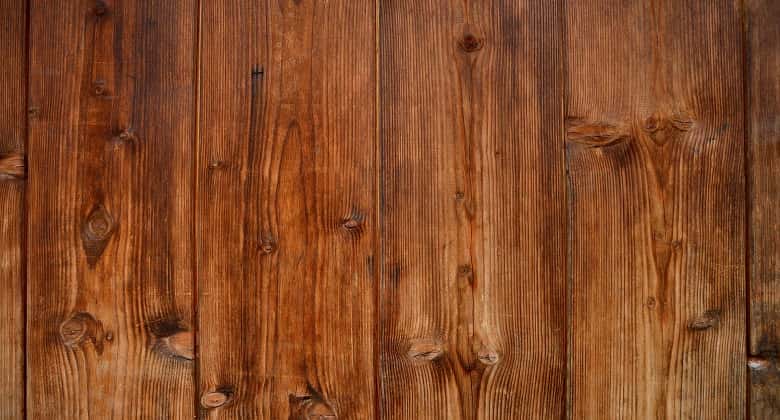
Garden sheds are typically made from wood, metal or plastic, and each material offers its own advantages. Wooden sheds are popular for their traditional appearance and versatility. They can be painted or treated to match your garden and are often easier to customise with shelving or workbenches.
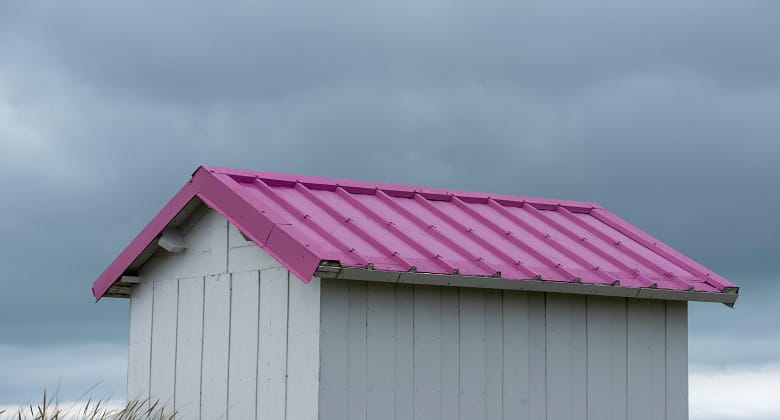
Metal sheds are known for their durability and low maintenance. They are resistant to rot and pests, making them a good long-term solution for storage. Plastic sheds, often made from resin, are lightweight, easy to assemble and resistant to weather damage, although they may not offer the same strength as wood or metal.
Choosing the Right Size
The size of your shed should depend on both your available space and how you plan to use it. If you only need to store a few tools and garden accessories, a compact shed may be sufficient. However, if you plan to store larger equipment such as lawnmowers, bicycles or outdoor furniture, you will need a more spacious option.
It is always a good idea to choose a slightly larger shed than you think you need. Storage needs often grow over time, and having extra space can help keep your shed organised and accessible.
Placement and Foundation
Where you place your shed is just as important as the shed itself. A level, well-drained surface will help prevent water damage and structural issues. Many sheds are installed on a concrete base, paving slabs or a specially designed shed base to ensure stability.
Consider access when choosing a location. You should be able to open doors fully and move equipment in and out easily. Positioning your shed in a convenient location can save time and effort when working in the garden.
Security and Protection
If you are storing valuable tools or equipment, security should be a priority. Look for sheds with strong doors, secure locking systems and sturdy construction. Adding a padlock or security bar can provide extra protection.
Weather resistance is also important. Treated wood, galvanised steel and UV-resistant plastic materials can all help extend the life of your shed and protect its contents.
Ventilation and Lighting
Good ventilation helps prevent condensation and moisture build-up inside the shed, which can damage tools and materials. Many sheds include vents or small windows to improve airflow.
Natural light can make your shed more practical, especially if you plan to use it as a workspace. Windows or skylights can make a big difference in usability without the need for electrical installation.
Additional Features to Consider
Modern sheds often come with additional features such as shelving, tool racks and reinforced floors. These extras can improve organisation and make better use of available space.
If you plan to use your shed as a workshop or hobby space, consider insulation and interior finishing. This can make the space more comfortable throughout the year.
Making the Right Choice
Choosing the right garden shed involves balancing size, material, location and budget. By considering how you intend to use the shed and what features are most important to you, you can find a solution that meets your needs both now and in the future.
A well-chosen shed not only provides valuable storage but also enhances the functionality of your outdoor space, making gardening and maintenance tasks more efficient and enjoyable.